Back Pain
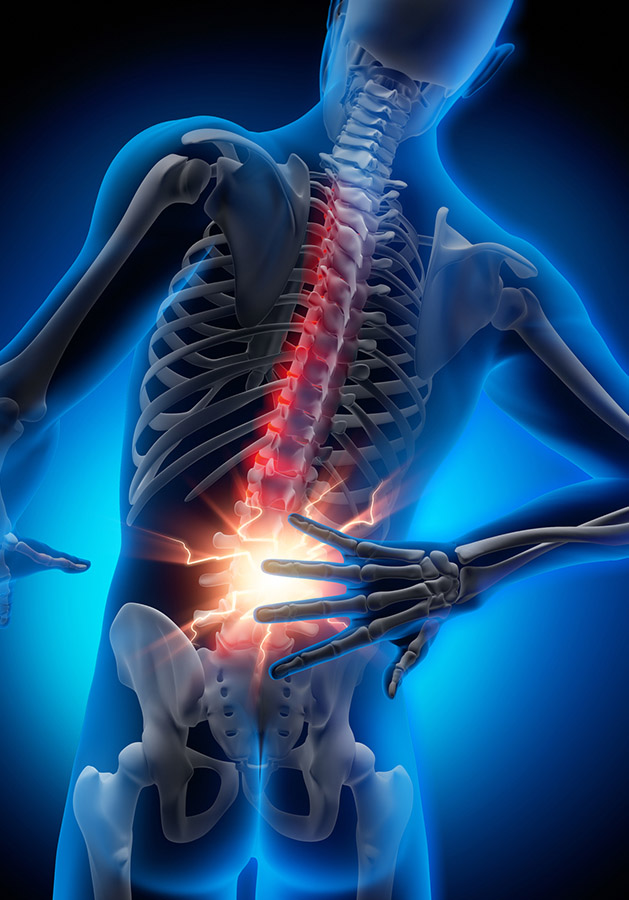
Back pain is a widespread health issue that affects most individuals at some point in their lives. It is one of the leading causes of workplace absenteeism, responsible for over 12 million lost workdays each year in the UK alone (NHS, 2022). Back pain can result from various factors, including poor posture, physical injuries, or the cumulative stress placed on the spine’s joints, muscles, and ligaments. It may present as either acute or chronic pain, often interfering with an individual’s ability to carry out everyday activities.
Low back pain (LBP) is the most common musculoskeletal condition globally and remains the leading cause of disability worldwide, according to the World Health Organization (WHO, 2023). Common lower back conditions include muscle strains, herniated or bulging discs, degenerative disc disease, sciatica (nerve irritation), and spinal stenosis (narrowing of the spinal canal). These conditions can cause pain, stiffness, numbness, or weakness, significantly impacting mobility and quality of life.
Upper back pain, affecting the thoracic spine (the area between the neck and lower back), is also a significant concern. It is frequently caused by prolonged poor posture, repetitive strain, heavy lifting, or structural issues such as scoliosis, spinal misalignment, arthritis, or disc degeneration. These issues can contribute to persistent discomfort and mobility limitations.
Chiropractic care offers a hands-on, drug-free approach to managing both upper and lower back pain. Instead of merely addressing symptoms, chiropractic treatment focuses on identifying and correcting the root causes of pain through spinal adjustments, muscle therapy, and rehabilitative exercises. Whether managing lower back pain, upper back tension, or nerve-related conditions like sciatica, chiropractic care aims to relieve pain, restore function, and reduce the risk of future episodes.

Sciatica
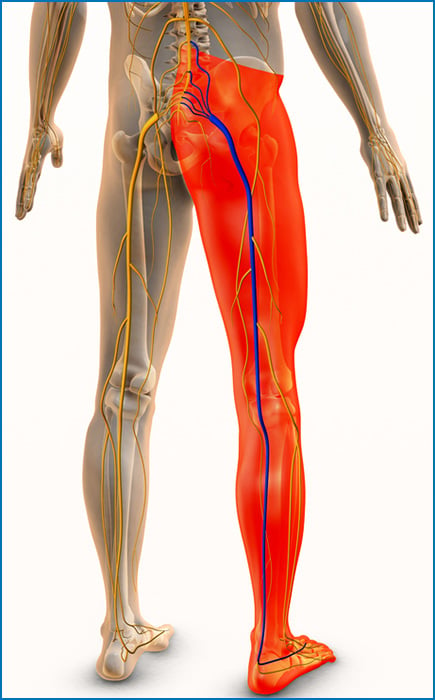
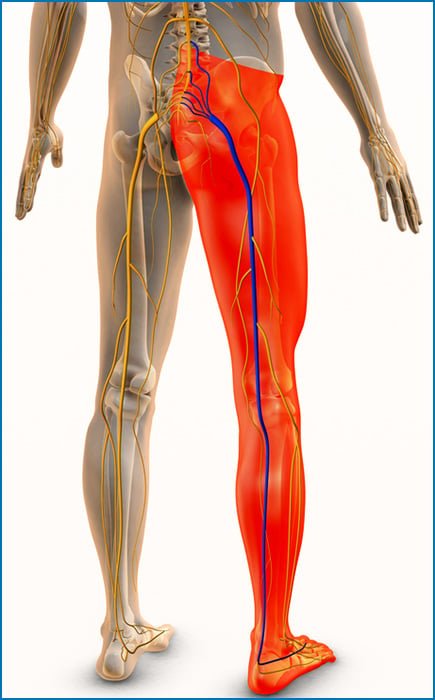
Sciatica is a prevalent condition caused by irritation or compression of the sciatic nerve, which extends from the lower back through the buttocks and down each leg. This condition results in pain, inflammation, and sometimes numbness that typically radiates from the lower back down one leg, occasionally reaching the foot. Sciatica commonly arises when a herniated disc or bony overgrowth exerts pressure on the lumbar spinal nerve roots associated with the sciatic nerve and can develop due to injury or degenerative changes related to aging.
Migraines
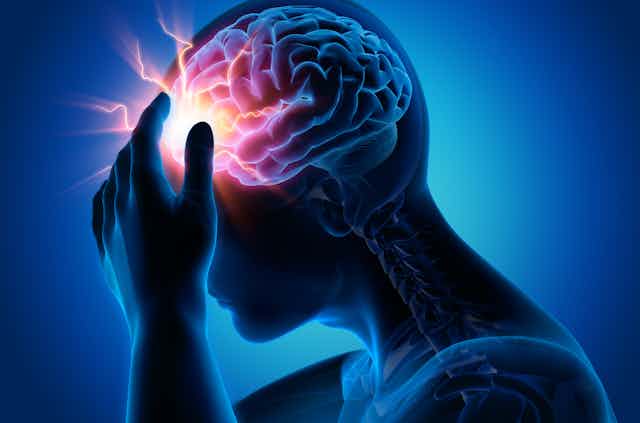
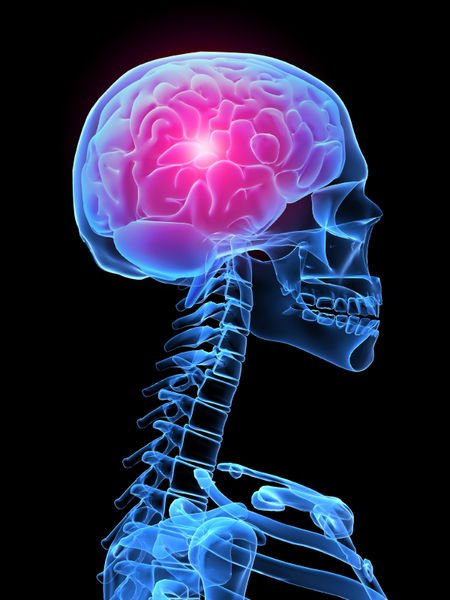
Migraines are often characterized by severe, throbbing pain, typically on one side of the head, accompanied by symptoms such as nausea, vomiting, and heightened sensitivity to light and sound. Some individuals may also experience an aura, which includes visual disturbances or sensory changes preceding the headache.
Chiropractic treatment, particularly spinal manipulation, has been shown to alleviate migraine symptoms by improving spinal alignment and reducing nerve irritation. For instance, a case study reported significant improvement in a patient with chronic migraines after a series of chiropractic treatments, leading to complete resolution of symptoms over six months.
Neck Pain
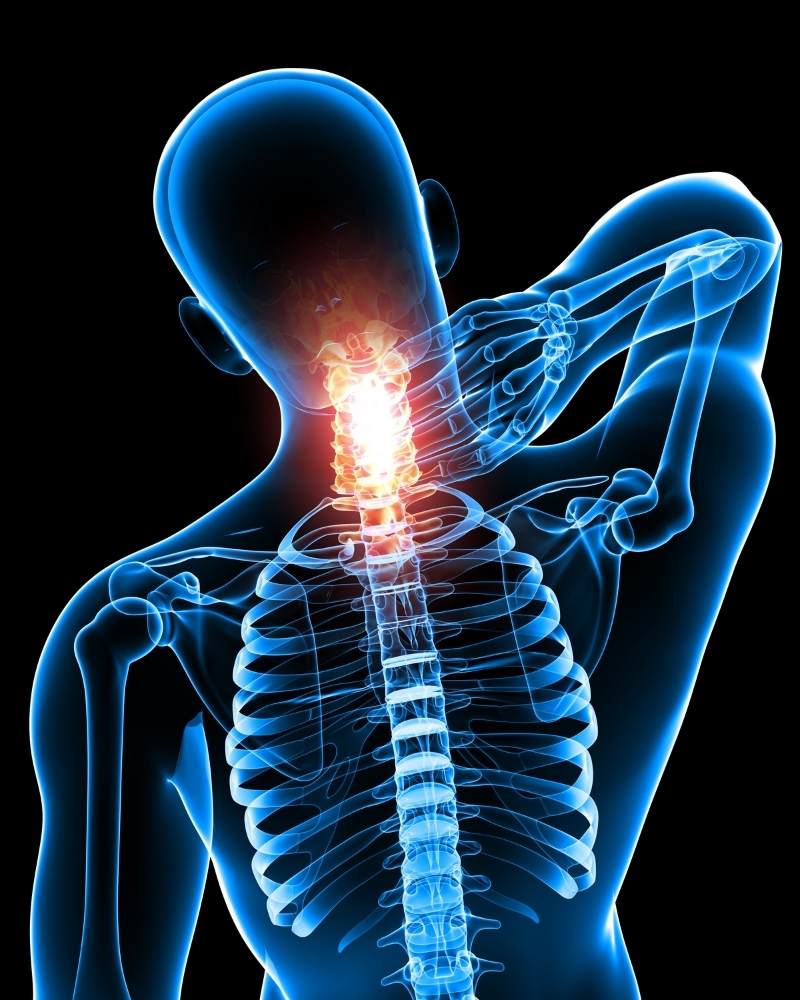
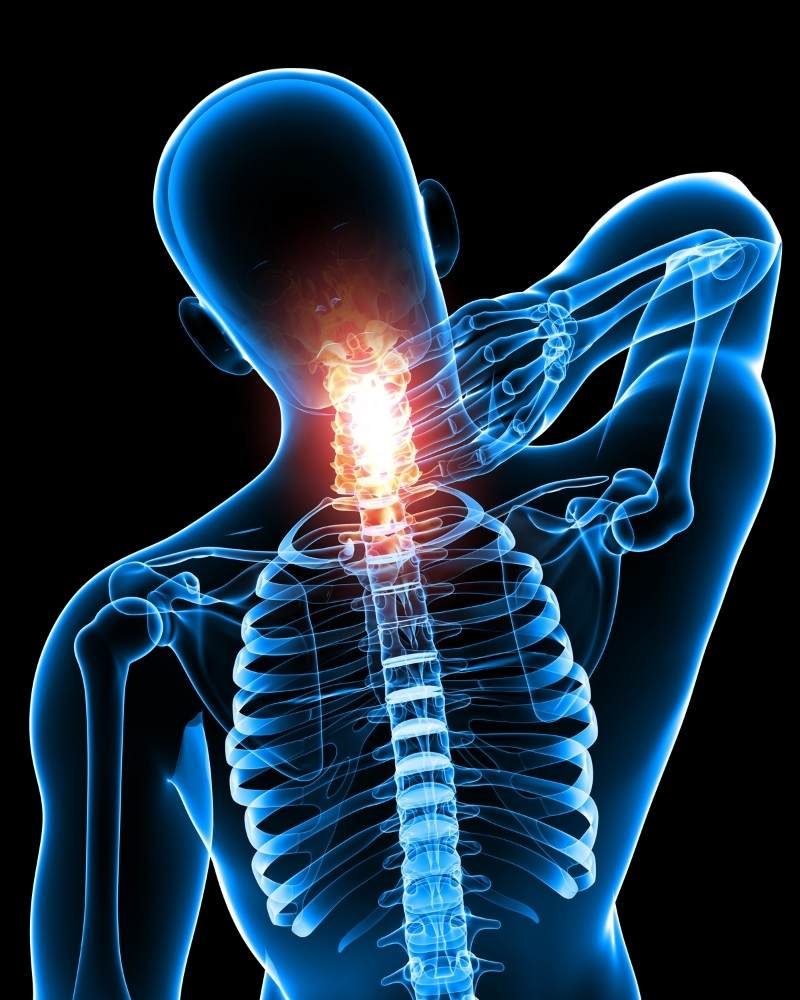
Mechanical neck pain and tension headaches are prevalent conditions often linked to poor posture, muscle strain, and stress. Chiropractic care offers a non-invasive, drug-free approach to alleviate these issues by addressing spinal misalignments and muscle tension.Chiropractic treatment for mechanical neck pain focuses on spinal adjustments to correct misalignments, reducing nerve irritation and muscle tension. Techniques such as spinal manipulation and soft tissue therapy can improve mobility and alleviate discomfort .
Tension Headaches: Tension headaches often result from muscle tightness in the neck and shoulders. Chiropractors employ spinal adjustments, soft tissue therapies, and posture correction to relieve muscle tension and reduce headache frequency .
Incorporating chiropractic care into a comprehensive treatment plan can effectively address the underlying causes of mechanical neck pain and tension headaches, leading to improved quality of life.
Headaches arising from the neck: A cervicogenic headache is a secondary headache originating from issues in the cervical spine (neck), such as arthritis, disc problems, or muscle strain. The pain is referred from the neck to the head, typically affecting one side and often associated with neck stiffness and discomfort. Symptoms may include dull, aching pain that radiates from the neck to the forehead, eye, or temple, along with reduced neck mobility and tenderness. Certain movements or postures can trigger or worsen the headache. In some cases, accompanying symptoms like nausea, dizziness, or visual disturbances may occur.
Chiropractic spinal manipulation is a non-invasive treatment for cervicogenic headaches, aiming to restore cervical spine alignment and alleviate nerve irritation. A randomized controlled trial demonstrated that this therapy led to a 69% reduction in headache duration and a 36% decrease in pain intensity over three weeks
Related Treatments

Sciatica
Sciatica is a prevalent condition caused by irritation or compression of the sciatic nerve, which extends from the

Neck Pain
Mechanical neck pain and tension headaches are prevalent conditions often linked to poor posture, muscle

Migraines
Migraines are often characterized by severe, throbbing pain, typically on one side of the head, accompanied